

When Identity Becomes an Idol for Self Worship
culture is universal, there’s no such thing as cultural appropriation, no one believes there is, despite what they say

Remember the cancelation of Hal Niedzviecki because of the cultural appropriation prize? It happened in May of 2017.
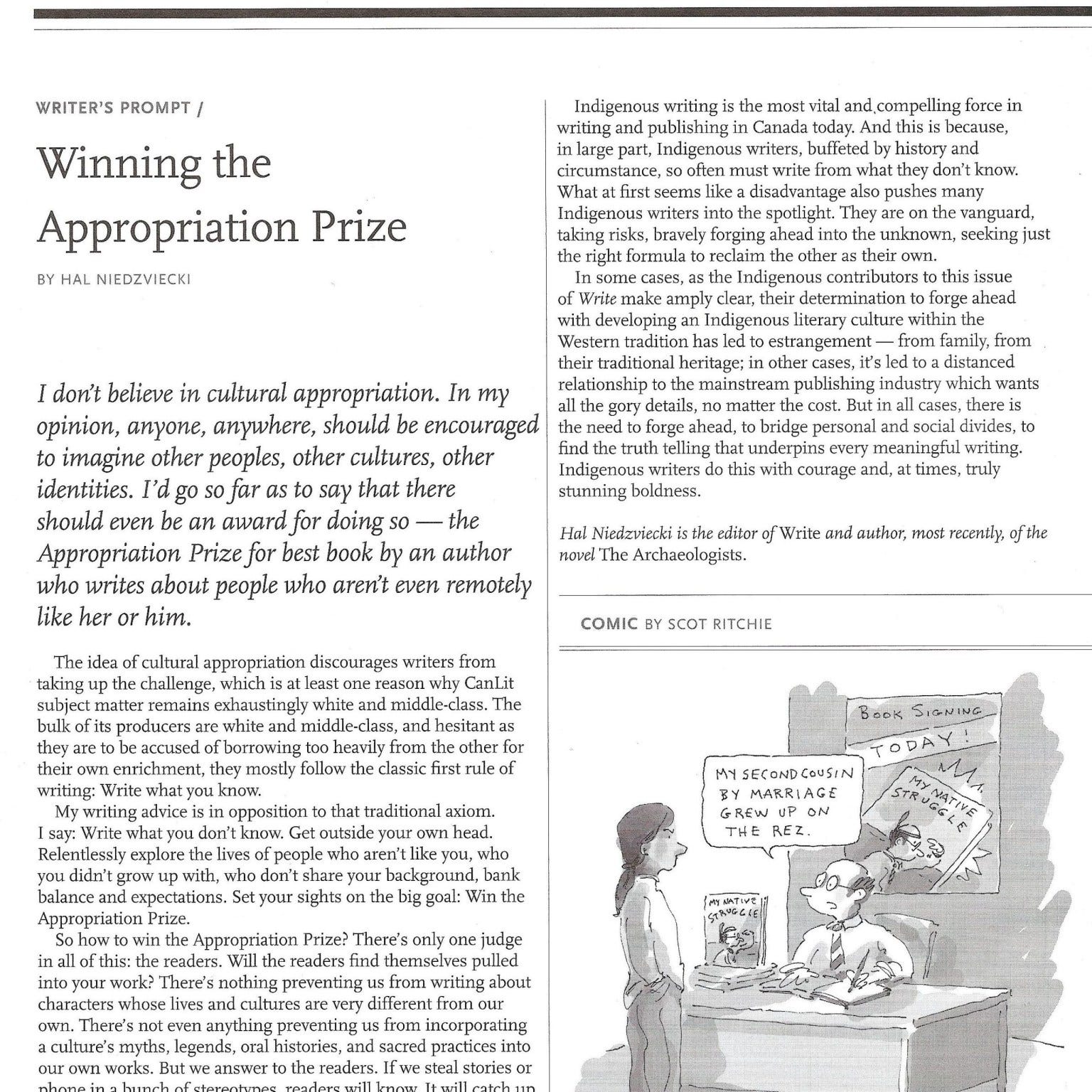
I remember the hysterical and dramatic reaction to the reasonable argument that any writer should be allowed to write about a culture that’s not their own, if they do it with skill and deftness. An emotional Jesse Wente holding back tears as he expresses his outrage at the cultural appropriation prize stands out clearly to me.
I recall a lot of really dramatic reaction to what I saw (and still do see) as something pretty mundane. “…the title, Winning the Appropriation Prize, made my CanLit bullshit radar go off. I hoped it was a satirical piece. It wasn’t. I was so angry I was shaking. I felt like I was going to throw up… After that, I posted to Twitter and it went from there,” wrote Elliott” (Vincent Schilling, ICTNews, May 2017).
Now that Thomas King has revealed his recent discovery about his ancestry, namely that he has no indigenous ancestry as he believed he did, the issue of cultural appropriation and idolatry of identity has re-emerged. Did King perpetrate cultural appropriation? Even if he genuinely believed himself to have indigenous ancestry?
What does this say about the progressive rule that writers cannot write about stories that exist outside their cultural identity? Recently Jesse Wente went onto the cbc to talk about his response to King’s revelation, and to the phenomenon of people in his personal and professional sphere who identified as indigenous being revealed as not at all indigenous. He described a very dark time marked by depression and despair when he found out the truth about Michelle Latimer’s indigenous identity and heritage.
I have read An Inconvenient Indian, I still have the book, I think it’s a great read, engaging and well written. I have one of Joseph Boyden’s books, Three Day Road, and also found it engaging and well written. Does the truth about the non indigenous heritage of these authors matter to my reading of these books? No. I might initially purchase a book because of the who of the author, however the writing and storytelling keeps me reading.

I remember The Secret Path, written by Gordon Downie and illustrated by Jeff Lamire. I watched the film when it first came out. Progressives lauded Downie for his project that claimed to tell the story of Chanie Wenjack — many ate that stuff up and wanted more of same. Downie had the blessings of the Wenjack family. Still I see a white celebrity do-gooder telling the story of an indigenous boy who ran away from residential school and froze to death. Again, does the identity of the storyteller matter? No. It still doesn’t. Downie told an engaging and tragic story to highlight the awful tragedy of the residential school era. If I’m cynical he also did the Secret Path project for the everlasting fame it would bring him. Yes, I said that out loud.
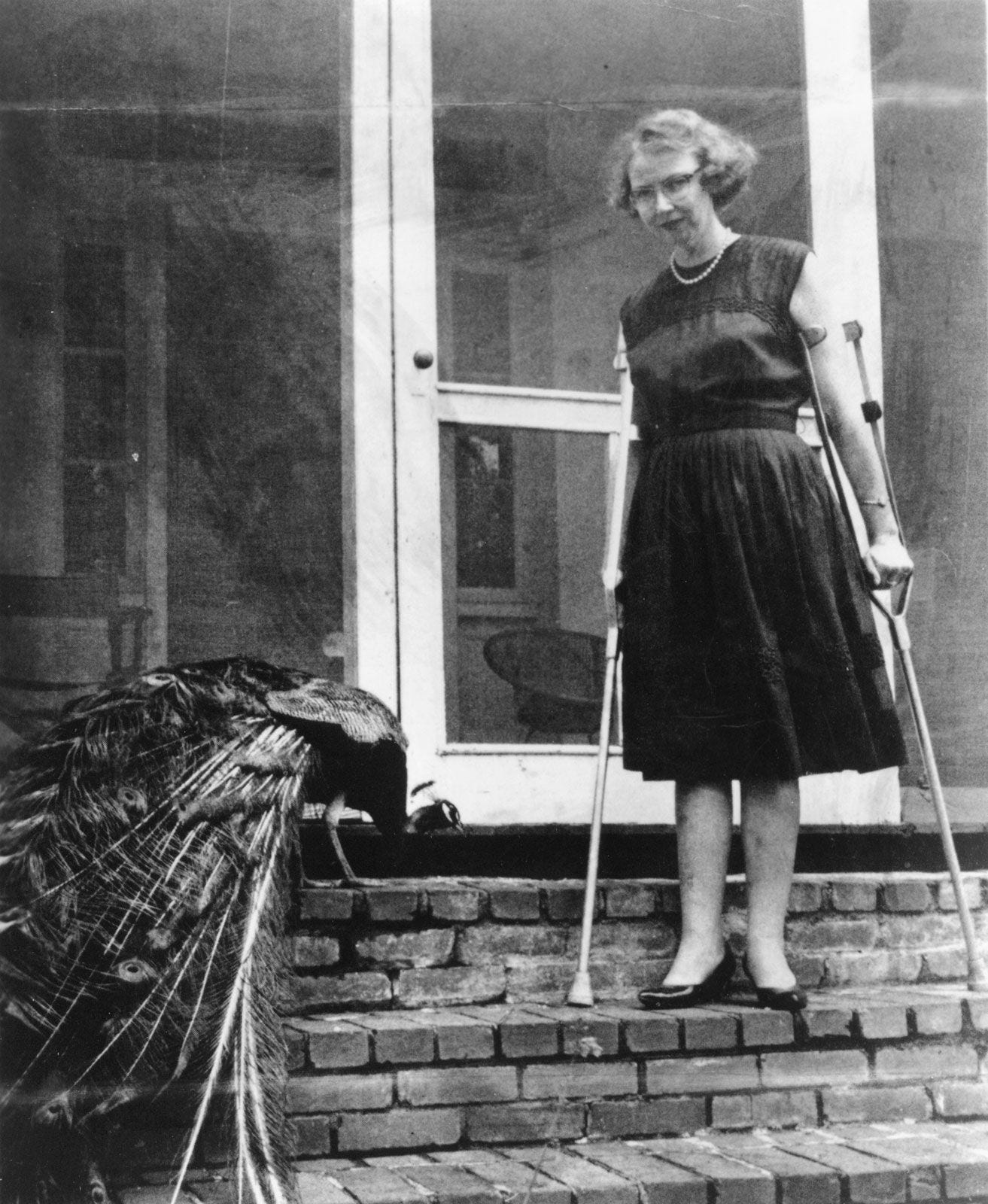
In literature we have many people who’ve deftly told stories about cultural identities that existed outside their own. Flannery O’Connor. Harper Lee. William Faulkner. These white southern gothic writers wrote stories about black people. Does that matter? Still, the answer remains no.
I agree with Hal Niedzviecki that cultural appropriation shouldn’t be a thing, that it’s not a thing. Cultural appropriation always served as a control mechanism of self indulgent egocentrics. Let’s remind ourselves of the universality of culture, reader. Tea, the drink culturally associated with the English, comes from China. Coffee, a drink that’s become cultural staple of many western societies, comes from the Arab world. The people of the Indian subcontinent invented zero. Noodles, associated with Italian culture, come from China. Yoga comes from Hinduism, and western wellness junkies co-opted it. Bagels originated from Jewish communities in Poland.
In the aftermath of the October 7th pogrom against Israelis, how many indigenous people and their allies have we seen wearing a made-in-China keffiyeh? Reader, they want us to believe they’re “decolonising” Canada with their made-in-China desert culture symbol stolen from Bedouins by an Egyptian-born KGB asset and terrorist in his bid to consolidate opposition towards Jews and Israel.
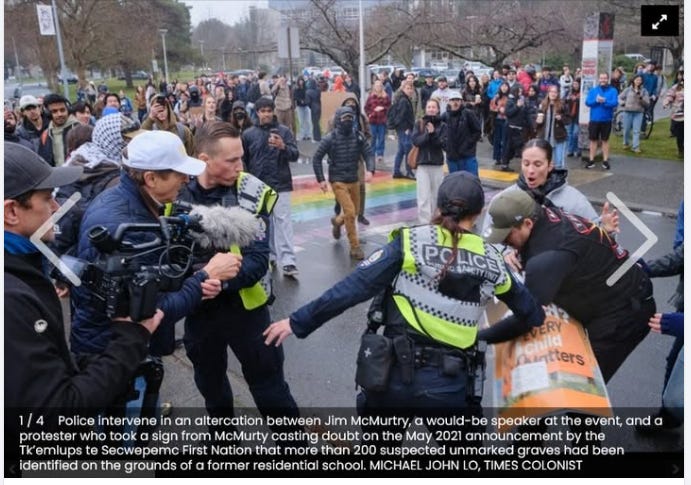
Surely that’s cultural appropriation to use the shemagh/keffiyeh to advance the political activist narrative of indigenous people in Canada, isn’t it? Wouldn’t it be nice if elite North Americans acknowledged their appropriation of a symbol that’s uniquely attacked to the desert culture of the Middle East? You see how this works, reader?

I’m confused because an identity group who’s openly wept and despaired about appropriation of their cultural symbols have thought nothing of appropriating the keffiyeh aka shemagh from the Iraqis and Bedouins. What does Tagaq, who boycotted a music awards event in 2019 because of cultural appropriation of katajjaq, have to say about her appropriation of a Bedouin and Iraqi cultural symbol? That’s her in the video above, taken at UVic, violating a noise by-law with a megaphone.
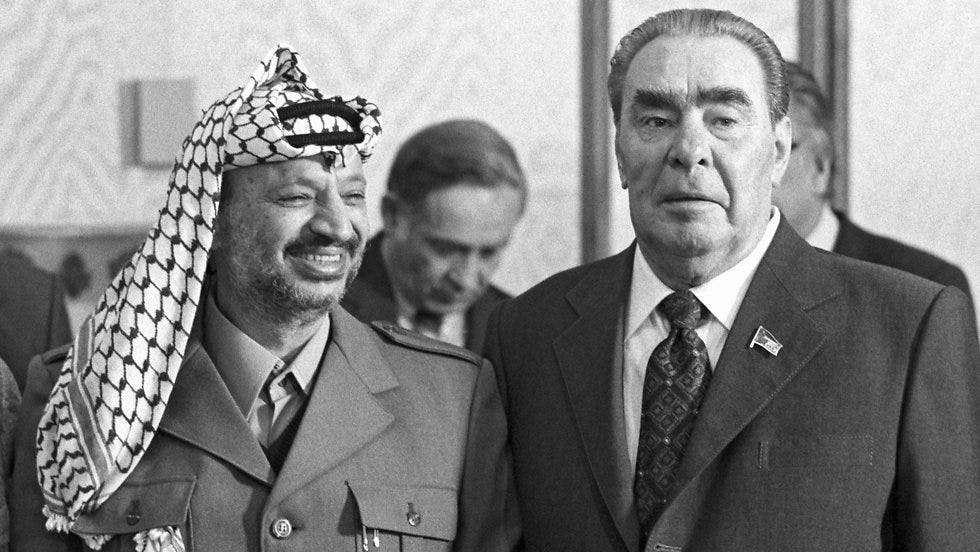
Perhaps the indigenous people who wear their made-in-China keffiyehs might like to know that the Egyptian born terrorist and KGB asset Yasser Arafat hijacked a cultural symbol of Middle Eastern desert peoples to represent and galvanise opposition to Israel’s existence. Jews achieved a very successful landback movement since the 1940s. Surely those who chant and wear landback as an activist brand/symbol care about other indigenous movements? Oh wait, the hating Jews identity takes hierarchical precedence in this scenario. It’s all in service of self worship idolatry and the political culture of identity.
So far it looks like rules for thee and not for me, when it comes to cultural appropriation and indigenous people. This tells me those who scold others for it don’t really believe in it. It tells me that cultural appropriation always represented a way to silence people who exist outside the favoured identity camp from telling human stories that they care about, and to prevent their participation in the universe of human culture and the stories it tells about the human condition. It tells me that people do believe in the universality of culture and they prioritise their worship of identity. Culture and its symbols have become a means to serve the identity deity progressive identity evangelists have forced Canadians to worship.
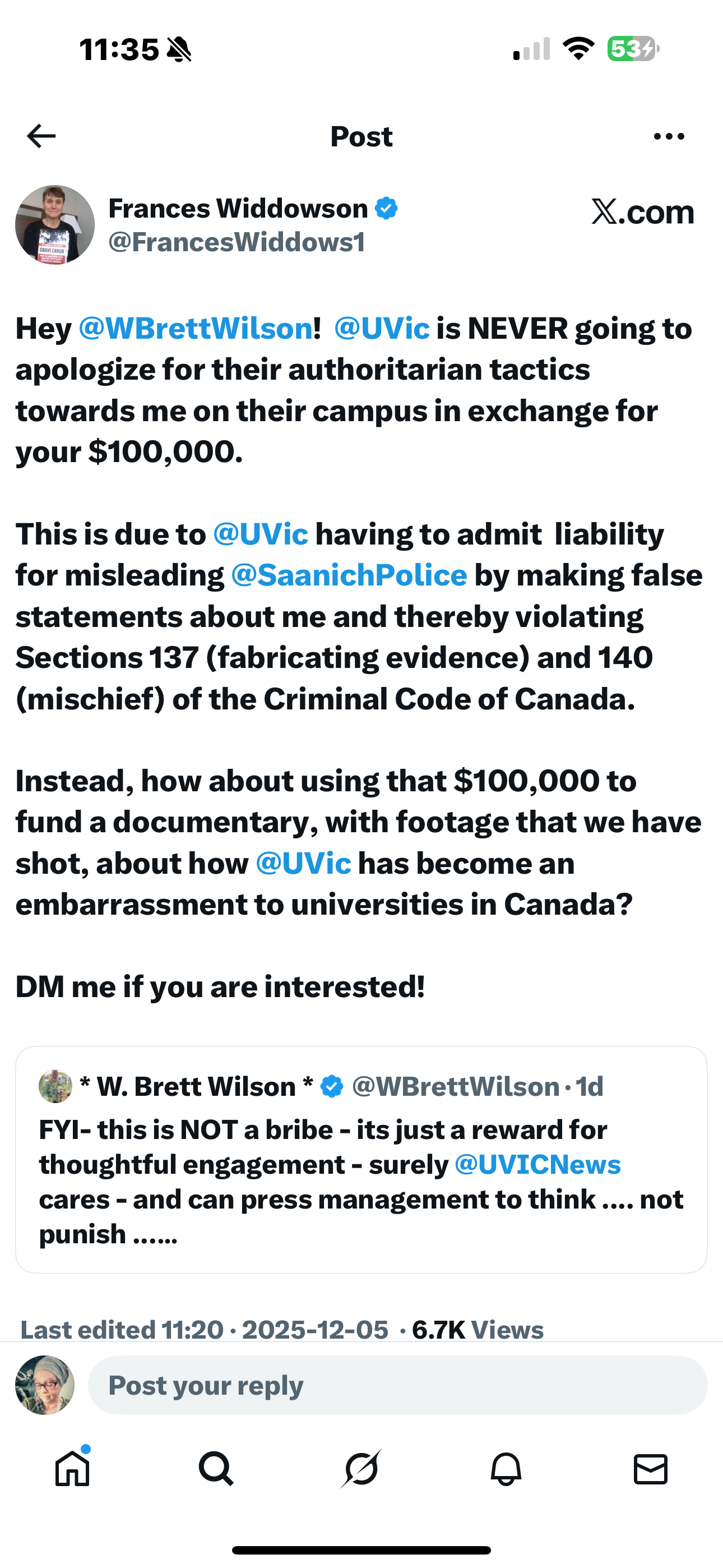
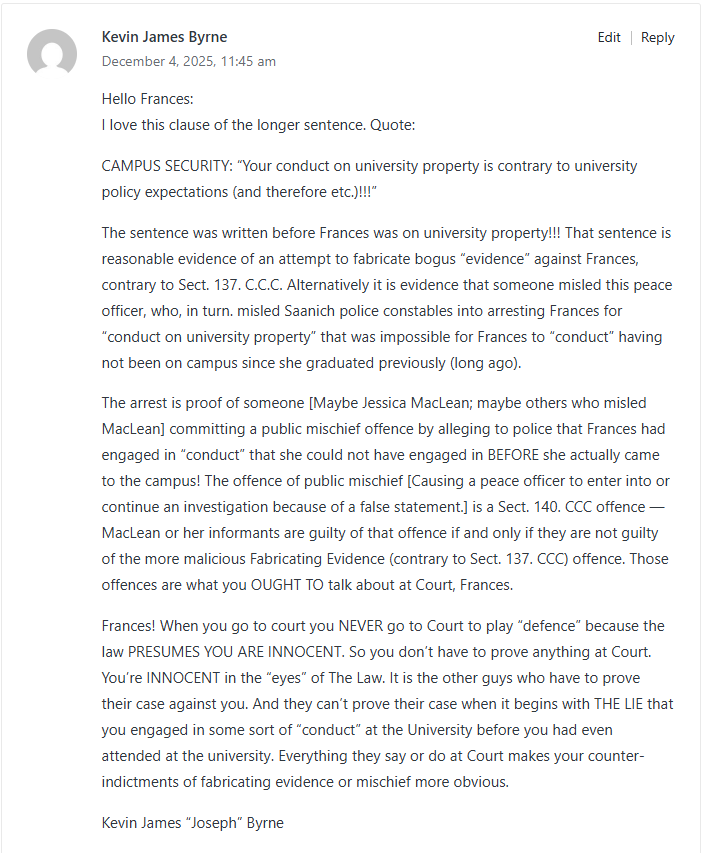
Tanya Tagaq can wear a keffiyeh as she throat sings into a megaphone at UVic because it’s a ritual activity performed for the identity god. Identity evangelicals force Canadians to bow down to the identity gods, which is why the counter protest received university permission and Francis Widdowson and OneBC received a you’re not welcome letter.

I think it’s weak and pathetic and disingenuous for Robina Thomas and the UVic administration to hide behind the counter protest, which featured celebrities such as Logan Staats and Tanya Tagaq.
Identity is a form of self worship. Identity Evangelicals will at any cost guard the sanctity of their identity idol/deity. And just like principled people living under Roman rule refused to say Caesar is Lord, under pain of persecution and worst, today many Canadians refuse to bow down before the identity deities that progressives and self-appointed Caesars have erected for us to worship.