

The Platform Culture
platforms have become an integral way of exerting power over others in the digital era, aka panopticonomy

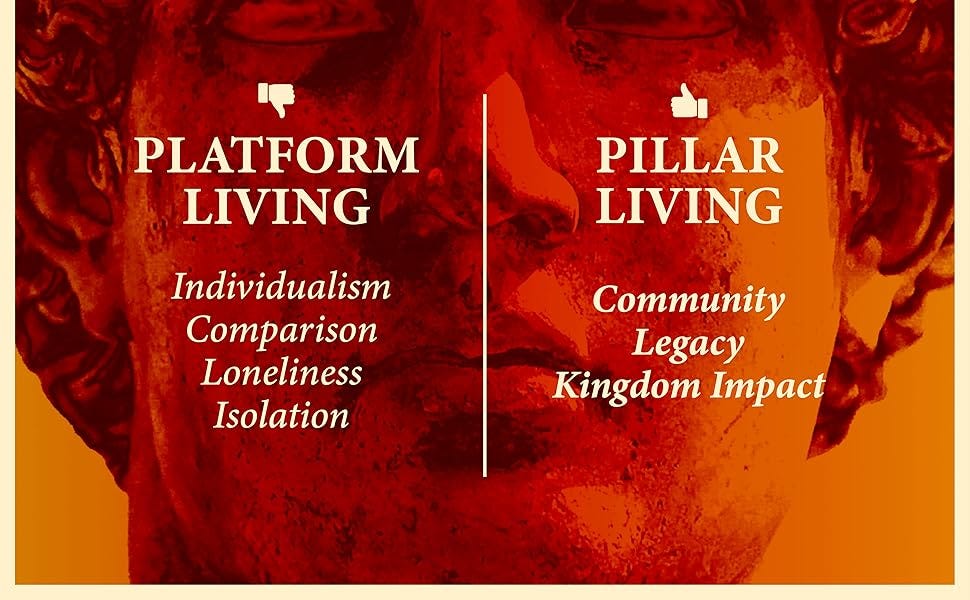
Oxford Dictionary defines platform as a raised level surface on which people or things can stand. In his book, Platforms to Pillars, Mark Sayers describes platform as a mentality or way of approaching life which claims to reinforce individual uniqueness, promising to offer validation and visibility whilst delivering on individual desires. A platform creates importance and value through symbolic elevation, it creates a sense of authority and exclusivity. In times of crisis, uncertainty, and chaos, the platform becomes a means to exert power over others.
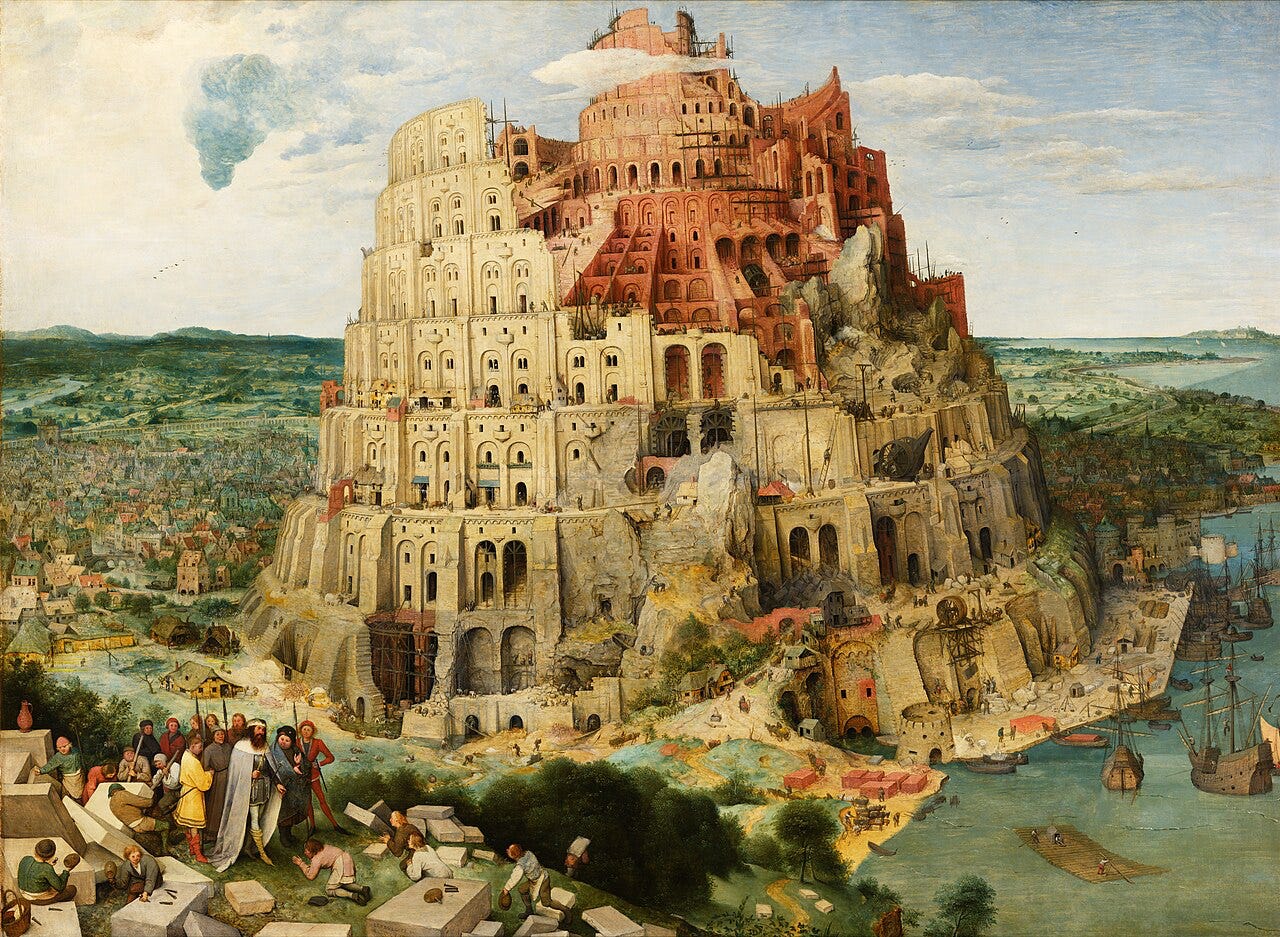
image: The Tower of Babel by Pieter Bruegel the Elder, 1563
The platform distorts the self, renders it weaker, less autonomous, and more dependant on power derived from influencing others and from groupthink. Platform culture cultivates a distorted reality, leading those with a platform mentality to deception and a warped view of the world around them.
If everyone has or demands a platform in society, who will serve as the pillars of the society? When individuals in a society compete for a platform, at what point does a mimetic crisis descend on that society? The intense individualism fuelling the platform society “has sent each of us on the prowl for the resources we need to ensure effective life,” writes social psychologist Shoshana Zuboff (Zuboff, The Age of Surveillance Capitalism: The Fight for a Human Future at the New Frontier of Power, p. 45).
A platform mentality causes an individual to view the world as existing to meet his or her individual needs. People with a platform mentality want the comfort and sustenance of connection and belonging without the commitment or responsibility of nurturing and serving those connection. The “cake and eat it too” approach to relationship building rarely works. Eventually the person reaches a point of frustration and despair, when the digital platforms or other institutions within the platform culture can no longer meet her needs.
Platform culture creates a society infected with misery—people suffer from and exhibit anxiety, depression, rage, ingratitude, arrogance, and sanctimonious faultfinding. Society becomes self indulgent, selfish, disparate. That’s because platforms elevate our expectations beyond what’s reasonable and sustainable.
What does platform culture mean for society?
If everyone is elevated, no one is elevated
Platforms promote inequality, not equality
Platforms foster powerlessness
Modernity has elevated the individual, affording freedom from the confines of institutions and community. As time passed, the individual became the basic until of society, edging family out, with familial connection replacing peer connection. This led to trading in the substance of attachment for cultivating an identity as an individual. A society predicated upon identity culture breeds a platform mentality in its citizens. Have we become performers? “All the world's a stage, and all the men and women merely players; they have their exits and their entrances,” wrote Shakespeare in As You Like It, Act II, Scene VII.
In conservative discourse we have nomenclature to describe identity culture— Wokeism, identity politics, and progressivism, to name a few examples. These terms all describe “… a system of thought and behavior characterized by intolerance, policing the speech of others, and proving one’s own superiority by denouncing others,” (The Psychology of Wokeism, Psychology Today, August 9, 2021). Wokeism emerged as a response to social inequality, bigotry, and racism, and morphed into the thing it sought to weed out of society.
In his Psychology Today piece, Michael Kearson pinpoints the fault line of Wokeism — proving one’s own superiority by denouncing others, in a nutshell, sanctimony. Similar to identity, sanctimony functions as a platform, in that it elevates people above their peers. Often identity and sanctimony operate in platform culture intertwined with one another. The sanctimonious become abysmal when they stare long enough into the abyss.
“He who fights with monsters should look to it that he himself does not become a monster. And when you gaze long into an abyss the abyss also gazes into you.” — Nietzsche, Beyond Good and Evil:Prelude to a Philosophy of the Future, section 146
So, hyper-individualism has severed us from our relational roots. It created a personal ethic that valued self-ruminating, over noticing others and serving community. Digital platforms promised to connect us and instead they created a culture of disconnect, where algorithms feed us, herding us into echo chambers, making us more intolerant of differences of opinion, and stifling discourse and complicating collaboration and compromise needed for real world community building.
We would rather block and walk away from, as opposed to restore, ailing human connections. We make no room for redemption and mercy. We make no room for acceptance and compromise. This makes us less resilient to face crises and challenges, both personally and collectively.